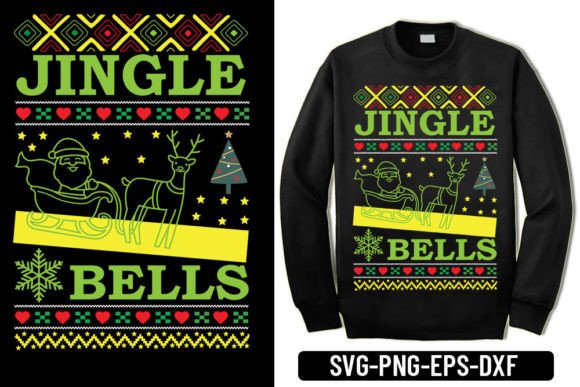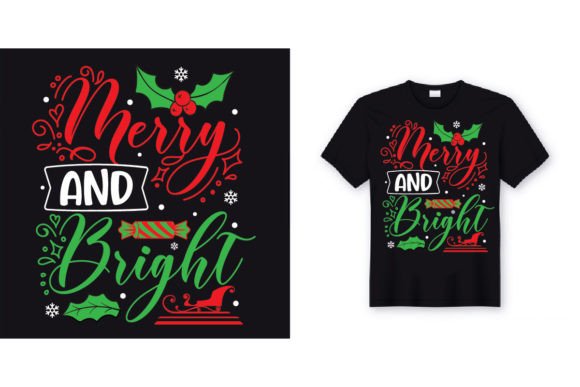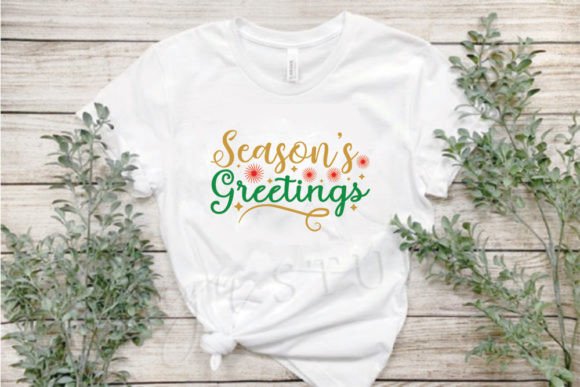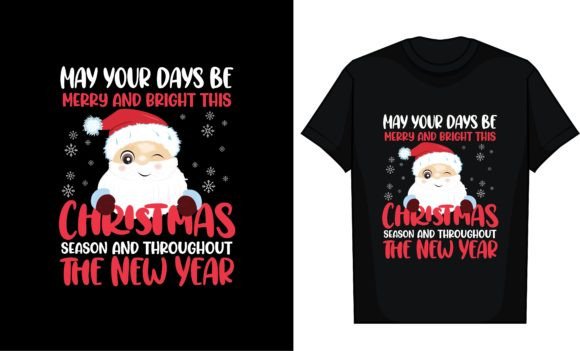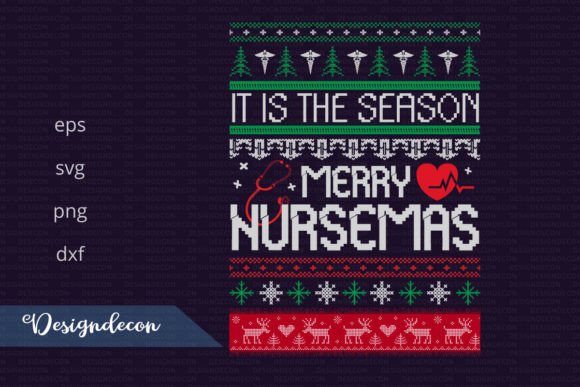
It’s the Season Merry Nurse-mas Sweater
A Designer’s First Look: Playful, Punchy, and Purpose-Built
When It’s the Season Merry Nurse-mas Sweater landed in my inbox, I paused mid-coffee sip—not because it screamed “viral,” but because it *felt* instantly wearable. As a designer who’s stitched hundreds of holiday pieces for Etsy sellers, boutique clients, and custom gift shops, I know how rare it is to find a design that balances whimsy with wearability. This one does. The layout leans into classic ugly-sweater energy—bold shapes, rhythmic spacing, clear focal points—but swaps chaotic clutter for intentional rhythm. The nurse motif (stethoscope, heart, candy cane, tiny cap) reads immediately, even at small sizes. That matters when you’re embroidering on baby onesies or apron pockets.
Real Project Test: Embroidering It on a Linen-Cotton Tote Bag
Last week, I prepped It’s the Season Merry Nurse-mas Sweater for a limited-run holiday tote bag line for a local clinic’s staff gifts. We used medium-weight natural linen-cotton blend—textured, slightly uneven, and unforgiving of sloppy digitizing. I resized the design to fit a 4” x 4” hoop, then ran a test stitch on scrap fabric with tear-away stabilizer. The result? Crisp satin-stitch outlines held their shape, fill stitches laid flat without pilling, and the lettering (“Merry Nurse-mas”) stayed legible—even at 3.5”. No floating threads. No skipped jumps. That tells me the underlying embroidery file was well-constructed, not just a traced SVG. For craft businesses selling embroidered totes or sweatshirt embroidery, that reliability saves hours—and avoids disappointed customers.
Where It Shines (and Where It Needs Care)
It’s the Season Merry Nurse-mas Sweater thrives on structured, stable surfaces: cotton tees, fleece-lined sweatshirts, denim aprons, twill caps, and pillow covers. Its bold lines and moderate detail density translate cleanly to machine embroidery design—especially when paired with high-contrast thread colors (think cranberry red on ivory knit or navy on cream canvas). It also works beautifully as an applique design on tea towels or nursery decor, where the clean vector edges help maintain shape after repeated washing.
But be thoughtful about context. On ultra-thin baby onesies, I’d simplify or reduce stitch density manually—some interior fills could feel stiff against delicate skin. On highly textured fabrics like bouclé or thick terry cloth, test the design first: dense satin-stitch areas may sink or distort. And while the design scales well, avoid shrinking it below 2.75” wide for caps or curved surfaces—the stethoscope loop and tiny heart lose definition. Also, skip dark fabric unless you’ve confirmed thread coverage; the lighter interior elements rely on contrast, not opacity.
Design Assets That Support Real Business Decisions
This isn’t just a cute graphic—it’s functional design assets. The inclusion of EPS, DXF, SVG, and high-res PNG files means you can prep for screen printing, vinyl cutting, or digital mockups without re-tracing. As an Etsy seller, I used the transparent PNG to build realistic lifestyle mockups (coffee mugs, folded sweatshirts, gift-wrapped boxes) in under 20 minutes. That speed matters when you’re juggling listings, orders, and holiday deadlines. And because it’s labeled a T-Shirt Designs asset, the proportions and negative space are optimized for chest placement—not stretched across full backs or lost on sleeves.
What Customers Actually Notice (and Why It Matters)
I asked three nurses (yes, real ones) to glance at a stitched sample on a charcoal crewneck. Their reactions? “I’d wear that to my holiday shift.” “Is that a tiny IV bag? So clever.” “My mom would buy ten.” That’s the sweet spot: recognizable, warm, and just specific enough to spark conversation—not so niche it alienates, not so generic it blends in. For handmade product sellers, that emotional resonance lifts perceived value. A $38 embroidered sweatshirt feels like a personalized gift, not mass-produced merch. It builds trust, especially in healthcare-adjacent niches where authenticity matters.
Practical Embroidery Designer Notes You’ll Want to Keep Handy
- Always test first—on your exact fabric + stabilizer combo. Even great embroidery files behave differently on bamboo jersey vs. heavy duck canvas.
- Check thread color contrast before stitching 50 units. What reads well on screen may vanish on dark fabric without metallic or high-sheen thread.
- Review stitch density in your embroidery software. If fills exceed 12,000 stitches, consider simplifying for lightweight garments or baby items.
- Confirm hoop size compatibility. This design fits comfortably in a 5” x 7” hoop—but if you’re using a compact 4” machine, verify no elements extend beyond safe margins.
- Inspect small details at 200% zoom: the “Nurse-mas” hyphen, the stethoscope earpieces, and candy cane stripes should all digitize cleanly—not blur into mush.
- Test black-and-white mockups to gauge silhouette strength. If it holds up without color, it’ll work on patches, iron-ons, or monochrome branding.
- Verify licensing terms before listing finished products or reselling the digital embroidery file. Commercial use isn’t automatic—even with “SVG Download” in the title.
Final Thought: A Design That Earns Its Place
It’s the Season Merry Nurse-mas Sweater doesn’t try to be everything. It’s not minimalist. It’s not ultra-detailed like a photorealistic portrait. It’s joyful, intentional, and built for making—whether you’re stitching one custom gift or scaling a small shop’s holiday collection. As a graphics asset, it bridges digital flexibility and physical craftsmanship. As a commercial embroidery piece, it delivers clarity, charm, and quiet professionalism. In a season full of noise, that kind of thoughtful execution is rare—and worth every stitch.