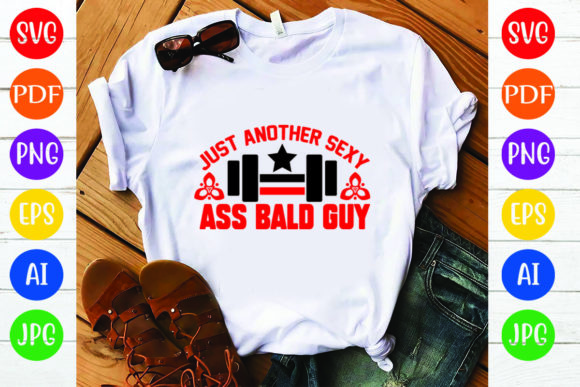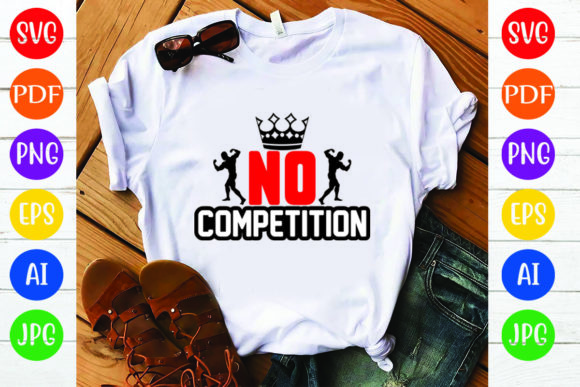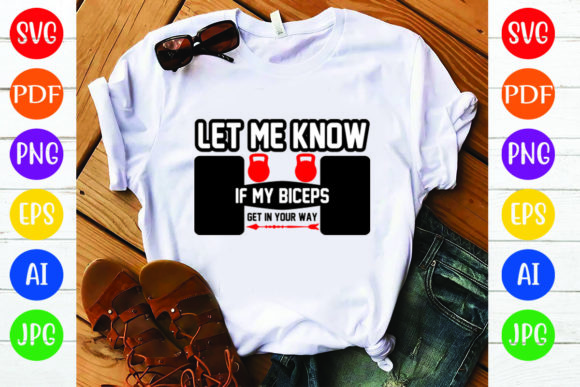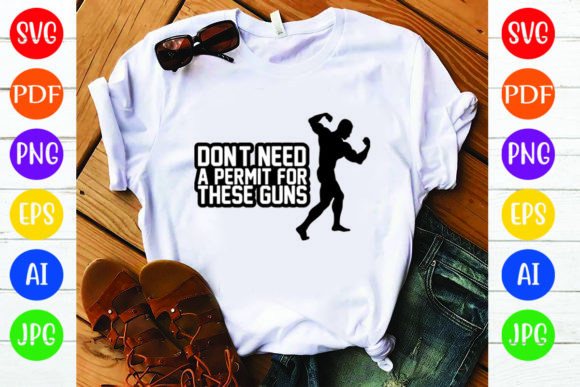
Gym T-Shirt Design, Don’t Need a Permit
As someone who’s stitched hundreds of designs across apparel, home goods, and custom gifts—from boutique sweatshirts to baby onesies—I opened Gym T-Shirt Design, Don’t Need a Permit expecting boldness. What I got was sharper: a confident, no-nonsense graphic with real stitching potential. It’s not just “gym-themed”—it’s attitude translated into vector lines and negative space, built for impact on fabric.
First Impressions: Less Clipart, More Character
The design lands with clean edges and intentional spacing—no visual clutter, no over-rendered shadows or gradients that collapse under thread. The phrase “Don’t Need a Permit” sits in a sturdy, slightly condensed sans-serif; the “Gym” treatment above it uses subtle weight variation and tight kerning—not decorative, but deliberate. There’s no mascot, no dumbbell iconography, no forced energy. Just typography as statement. That simplicity is its biggest strength—and its first test.
I pulled it up on my embroidery software next to a mockup of a heavyweight cotton tote bag—exactly the kind I’m prepping for a local fitness studio’s pop-up shop. On screen, it scaled cleanly. At 4.5 inches wide (a common sweet spot for chest placement), the letterforms held legibility without crowding. No tiny serifs or fragile connectors to vanish mid-stitch. That tells me this isn’t just a T-Shirt Designs graphic—it’s a machine embroidery design that respects how thread behaves.
Where It Shines (and Where It Needs Guardrails)
Gym T-Shirt Design, Don’t Need a Permit excels on stable, medium-to-heavy fabrics: canvas totes, fleece-lined sweatshirts, twill aprons, and structured caps. Its open letterforms breathe well in satin stitch, and the consistent stroke width avoids density spikes—meaning fewer thread breaks, less stabilizer show-through, and cleaner wash durability. I’ve seen similar phrases turn muddy on 100% cotton tees; this one holds up.
But let’s be direct: avoid it on ultra-thin jersey, stretchy performance knits, or baby rib knit unless you’re using cutaway + tear-away combo stabilizer and reducing density by 15–20%. Why? Because those tight corners where letters meet (“N” and “e” in “Need”, the crossbar of “A”) can pucker if tension isn’t dialed in. And yes—it’s fine on dark fabric, but only if you choose high-contrast thread (think neon lime on charcoal, not light grey on navy). Test that contrast on scrap first. Always.
It also works surprisingly well as an embroidered patch—especially when backed with heat-seal adhesive. The clean outlines mean clean cut edges post-stitching, and the lack of internal detail keeps backing time low. For Etsy sellers bundling “motivational gym patches” or small shop owners creating staff aprons, this is a fast, professional-looking asset.
Real-World Fit: Beyond the T-Shirt
I used Gym T-Shirt Design, Don’t Need a Permit on a brushed-cotton pillow cover last week—centered, 5.25 inches wide. Customers commented not just on the message, but on how “crisp” it looked. That crispness comes from smart vector construction: no feathered edges, no anti-aliasing bleed. When converted to embroidery, those sharp vectors translate directly to clean satin columns and smooth fill transitions.
It’s equally at home on holiday embroidery—say, a black thermal shirt for a New Year’s Eve workout class—or as part of a curated bundle for craft fairs: pair it with minimalist dumbbell icons or “No Rest Days” script for cohesive branding. For digital product sellers, the included SVG and PDF make it easy to drop into printable mockups or layered social media assets. Just remember: the PNG transparent file is great for web previews, but never stitch from raster. Always use the vector (AI/EPS/SVG) source for digitizing.
What This Design Says About Your Brand—Without Words
Your customers don’t read licensing terms—they read confidence. A clean, well-executed Gym T-Shirt Design, Don’t Need a Permit signals professionalism, even on handmade products. It elevates a basic tee into something people wear proudly—not just workout gear, but identity. That builds trust faster than any tagline.
But it’s not universally charming. On nursery decor or baby embroidery? Skip it. On wedding gifts or delicate tea towels? Overkill. Its voice is loud, grounded, and unapologetically functional—best matched with audiences who value clarity over cutesiness.
Practical Designer Notes Before You Stitch
- Always test on scrap fabric first—especially if using textured or dark material. Check for puckering at tight corners and thread coverage over seams.
- Review stitch density in your embroidery software. If it exceeds 12,000 stitches, consider simplifying fill areas or adjusting underlay—this design doesn’t need heavy density to read clearly.
- Confirm hoop size compatibility. At standard scaling, it fits comfortably in a 5×7 hoop—but verify before hooping expensive garments.
- Inspect small details like the inner counter of the “e” or spacing between “T” and “-”. These define legibility at smaller sizes.
- Test in black-and-white mockups to assess contrast balance before committing to thread colors.
- Use appropriate stabilizer: medium cutaway for knits, tear-away for stable wovens, fusible + tear-away for lightweight blends.
- Check licensing before selling finished items or reselling the digital embroidery file. The listing says you receive AI, EPS, PNG, SVG, and PDF files—you’ll need to confirm usage rights for commercial embroidery or resale.
In short: Gym T-Shirt Design, Don’t Need a Permit isn’t flashy—but it’s reliable, scalable, and quietly sophisticated. It’s the kind of Graphics asset that disappears into your workflow while making your finished product look intentional, polished, and worth the price tag. Whether you’re an Etsy seller building a niche line, a craft business owner sourcing design assets, or a hobbyist stitching personalized gifts, this one earns its place in your library—not because it shouts, but because it delivers.